HR pulled me in for a Performance Improvement Plan (PIP) (s**tpost)
They said I don't pay attention. I explained that attention is, in fact, all you need.
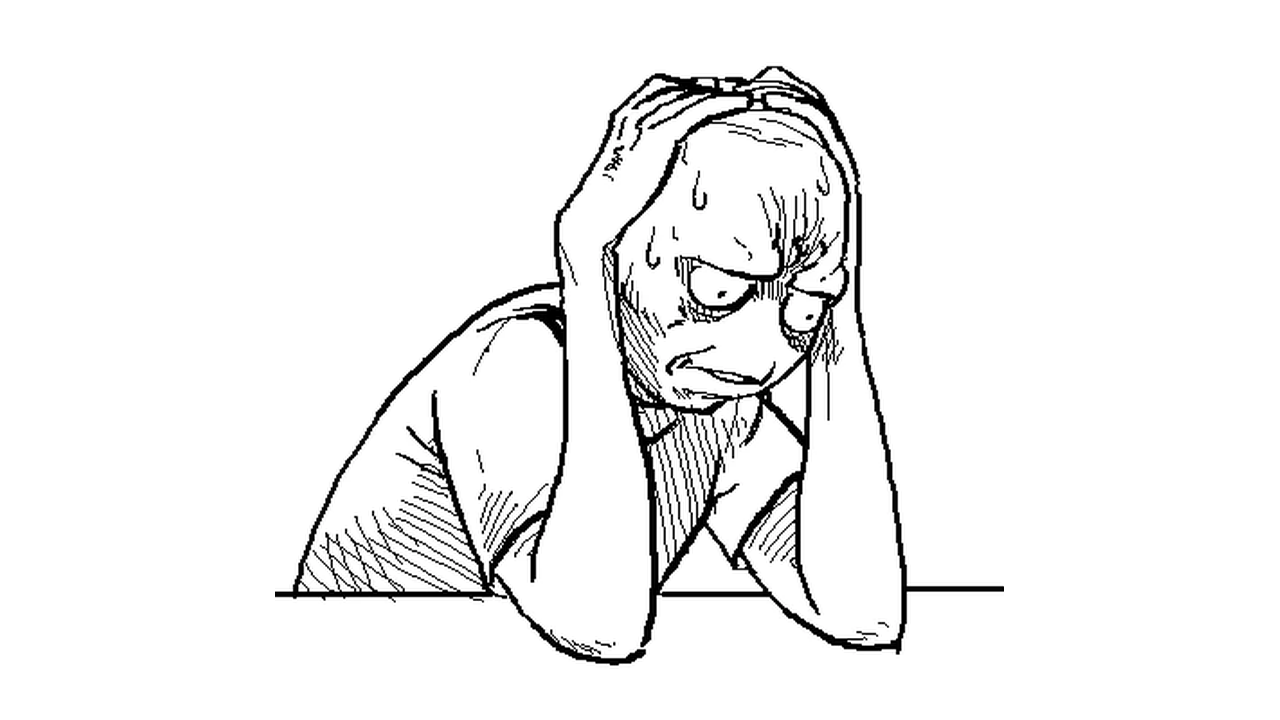
During the meeting, they were droning on and on. Who cares? I zoned out. Then HR dropped the 💣: "Thommas, if you don't pay attention to this, you will be let go."
It finally clicked. The seminal 2017 paper by 8 Google scientists, Attention Is All You Need. HR says I need improvement, but what they don't know is that I'm already Optimal.
You see, in HR meetings (and transformer models) you don't give equal weight to every word. Most of it is corporate fluff; buzzwords like "synergy" or "leverage." The attention mechanism figures out exactly how important each part is.
I hyper-focused on "you will be let go", the high-stakes threat in context. That's not inattentiveness; that's efficient processing, just like AI.
Math directly from the paper
Breaking it down like a PIP:
- (Query): "What's the real threat?" (Scan for job security)
- (Key): "What info is out there?" (HR's words: goals, warnings, etc)
- (Value): "What's it mean?" (Implications: deadlines, consequences)
- : Scaling factor for stability, preventing overreactions to every critique
Think of corporate memos and emails stuffed with jargon. Attention is like a highlighter, zeroing in on the "Action Required".
Worked example
HR probably said:
We've noticed inconsistencies in your day-to-day. You spend too much time on LinkedIn and don't work. We value your contributions, but improvement is needed in active listening and engagement. Thommas, if you don't pay attention to this, you will be let go.
Easy.
Step 1: Create , ,
Transform each phrase into vectors via learned weights (matrices , , ).
For "pay attention":
- Query: "How does this affect my job?"
- Key: "This is a warning signal"
- Value: "Time to lock in 🔒"
Step 2: Calculate scores ()
When processing the sentence, "you will be let go" gets a high similarity score—it's tied directly to risk. "We value your contributions" barely registers; it's just noise.
Step 3: Scale by
Keep the Math Stable (Keep Calm and Carry On).
Step 4: Softmax
Converts scores to probabilities summing to :
| Phrase | Weight | Notes |
|---|---|---|
| "you will be let go" | critical context | |
| "pay attention" | action item | |
| "improvement is needed" | vague advice | |
| "we've noticed inconsistencies" | noise | |
| "We value your contributions" | HR fluff |
Step 5: Weight the values
My understanding of the meeting prioritizes the firing risk, informed by key phrases, without the fluff. Optimal!
Multi-head magic
Transformers run attention across multiple heads, each learning different patterns:
1️⃣ Spots threats
2️⃣ Links actions
3️⃣ Tracks timelines
4️⃣ Filters noise
These heads combine for a more efficient grasp—better than recalling every word.
I told HR I get how critical this PIP is. I stood up, shook their hands, went to my desk, and wrote this post for LinkedIn 🔥