Why I Financed My Car
The opportunity-cost math behind financing instead of paying cash, and where that money went instead.
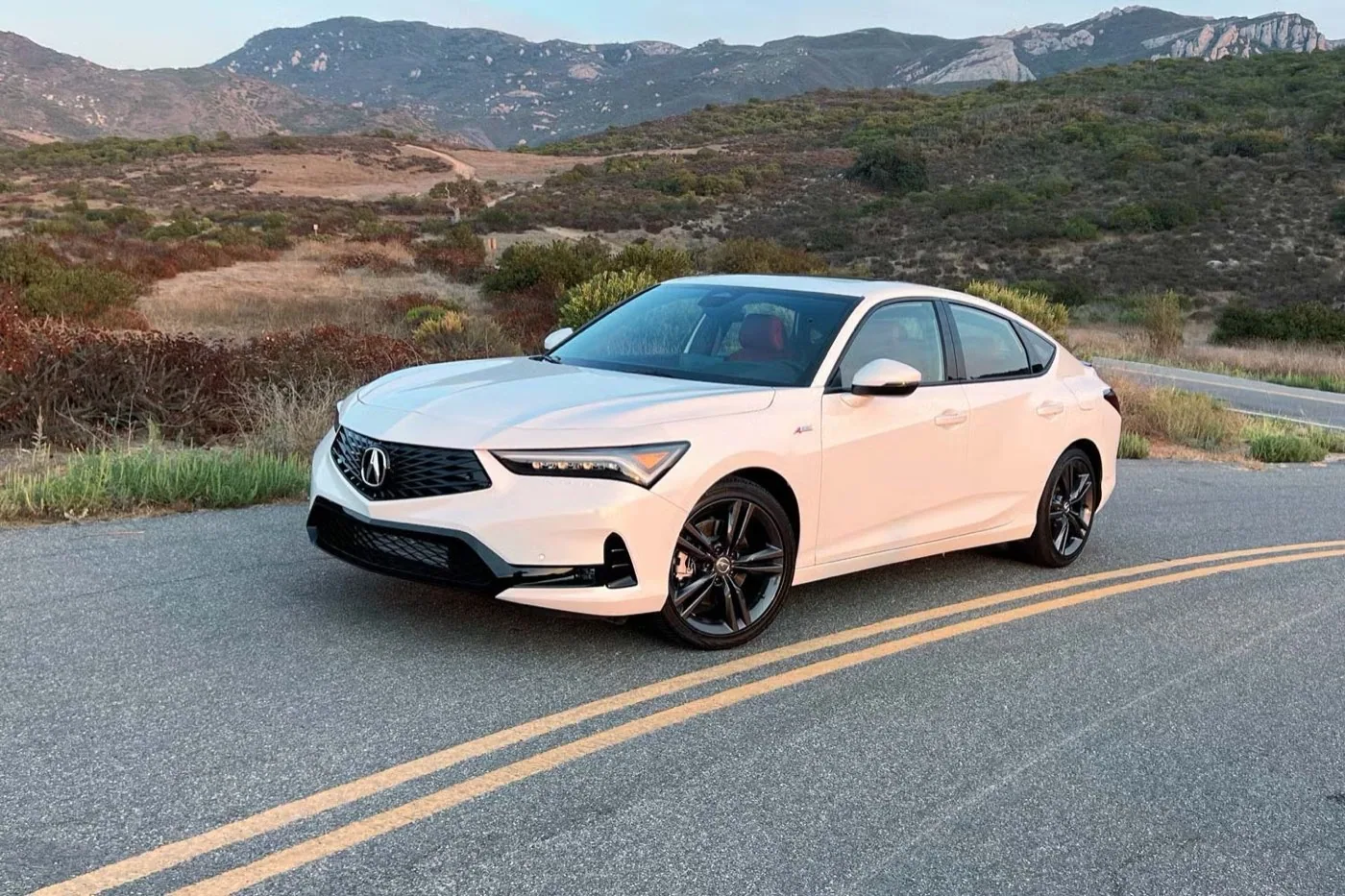
I had the cash available. I could've driven off the lot debt-free and avoided thinking about a car payment for another decade. Instead, I financed it.
This may sound backwards, because debt is debt, but I think it's the wrong framework for this specific decision. Here's the math and reasoning behind it.
Opportunity Cost Is King
The core idea of opportunity cost is that money spent isn't just sitting there safely — it's actively not doing something else it could have been doing. That's the actual cost of a financial decision: the cost of the opportunity given up.
If I pull my investments out to pay cash for a car, that money stops compounding in the market. If I finance instead, the money stays mostly invested. The question isn't really about debt — it's about whether that money can earn more elsewhere. (I'll acknowledge: the market doesn't always grow. It grows most of the time.)
It's the same logic behind not paying off a 3% mortgage early, just applied to a car loan instead.
The comparison it draws: the same MSRP in two scenarios over the same timeframe — cash straight into the car, versus a small down payment with the rest invested instead.
Why the Interest Rate Is the Whole Ballgame
None of this works if the rate is bad — but the bar for "good" is lower than people think. Any rate under 3% is worth taking, assuming the spend is happening either way. You don't need stock-market returns to clear that bar — even the most risk-averse places to park cash, like bonds, a money market fund such as SPAXX, or a plain HYSA, can beat 3% without taking on any real risk. Below that threshold, financing isn't really a gamble at all.
2.9% is exactly that kind of rate. It's meaningfully below what even top-tier credit typically gets on a new car loan right now, which tells you it wasn't really a "me" rate — it was a manufacturer-subsidized promotional rate, the kind that shows up during specific windows when a brand wants to move inventory badly enough to eat the financing cost themselves.
The Leasing Take Nobody Wants to Hear
Every finance guru on the internet will tell you leasing is a scam. "You're paying for depreciation with nothing to show for it." "Buy and hold, always." I think that take is too clean for reality, and it's worth being honest about the actual nuance instead of repeating the meme.
Here's the case for leasing, when it works: a lease payment is really a bet on residual value — the price the leasing company guesses the car will be worth when you hand it back. If the car actually holds its value better than that residual guess assumes, you're effectively leasing something the finance company underpriced, and you walk away having paid less than the true cost of ownership for that period. That happens more than people think, especially with certain brands and certain trims that hold value unusually well.
The Integra is actually a clean real-world example of this. Say you'd leased a 2023 Integra at roughly $32,500 MSRP on a 36-month term. The residual isn't fixed: it moves with the mileage allowance you agree to, since lower annual mileage buys a higher residual and more mileage lowers it. What the car is actually worth at turn-in moves the same way, just on its own curve. Going over your allowance typically costs around $0.50/mile. Switch the allowance and watch what happens to the gap:
| At 10,000 miles a year | % of MSRP | Value |
|---|---|---|
| Lease’s assumed residual (36 mo) | 62% | $20,150 |
| Actual market value, 30,000 mi on the clock | 77% | $25,000 |
| The gap | +15 points | $4,850 |
The gap narrows as you drive more, because the residual and the real market value fall at different speeds — but across all three tiers it stays open.
That gap is the whole story. At the 10k allowance, the lease company bet the car would be worth $20,150 at turn-in; real used-Integra sales at similar mileage show it's actually worth closer to $25,000. That means you can buy the car out for less than it's really worth and immediately have equity in it, or hand it back and walk into the next lease having effectively paid less for those 36 months than the car actually cost to own. Either way, the gap is money that showed up because the residual estimate undershot reality.
Separate from the residual math, there's the same opportunity-cost argument as before, just pointed at a bigger number. A lease keeps a lot more cash out of the car entirely. You're not sinking capital into an asset that's guaranteed to depreciate; you're renting the use of it and keeping your money free to go into things that are supposed to appreciate instead. Why would I lock five figures into something that's nearly certain to be worth less every year (2022 was a weird year), when that same money could be doing real work elsewhere?
The honest caveat: this is a more complicated trade than the finance-vs-cash math alone. Leasing gives something up beyond dollars: no modding the car (I love my tints), no spontaneous cross-country trip, real mileage limits, wear-and-tear terms you actually have to respect, and the fact that you never build equity in it. None of that shows up in an opportunity-cost spreadsheet, but it's real, and it's yours to weigh. On top of that, the financial case only holds if you actually redirect the freed-up cash into something productive — let it just sit around and get spent on nothing in particular, and the "opportunity cost" argument evaporates completely. All I'm saying: if you're financially disciplined, and you're not precious about owning and modifying a car outright, it's worth considering. If either of these aren't true for you, the finance-guru advice is probably right.
Why an Acura Integra
None of the financing logic above tells you what to buy. That part's just personal.
My old daily was a 2014 Honda Civic that just crossed 150,000 miles. Still runs, and I'm not getting rid of it — it's becoming the spare beater car. But I wasn't going to keep driving it as my only car until it actually died on me.
The Integra checked every box I actually cared about:
- It looks great. Not going to pretend that didn't matter.
- It retains value well. Which matters a lot given everything above — a car that holds its value is a car where the "depreciation tax" you're paying every year is smaller, whether you finance, lease, or pay cash.
- It drives well for the price. Not trying to compete with something twice the cost, just solidly good for what it is.
- The hatchback is useful. Moving stuff, hauling gear, the practical case that a sedan doesn't make as easily.
- Acura's reliability reputation is real, not just brand mythology. That matters more to me than most of the flashier specs on paper.
Combine a car I actually wanted with a rate low enough that keeping my cash invested was the obviously better move. Financing wasn't the compromise, it was the plan :D